
Ever wondered how we get corn that doesn't wilt in... Show more
 Biology30 views·Updated May 29, 2026·19 pages
Understanding GMO: Introductory Notes 2023 PDF

C@cnnotes
1 / 10
1
of 10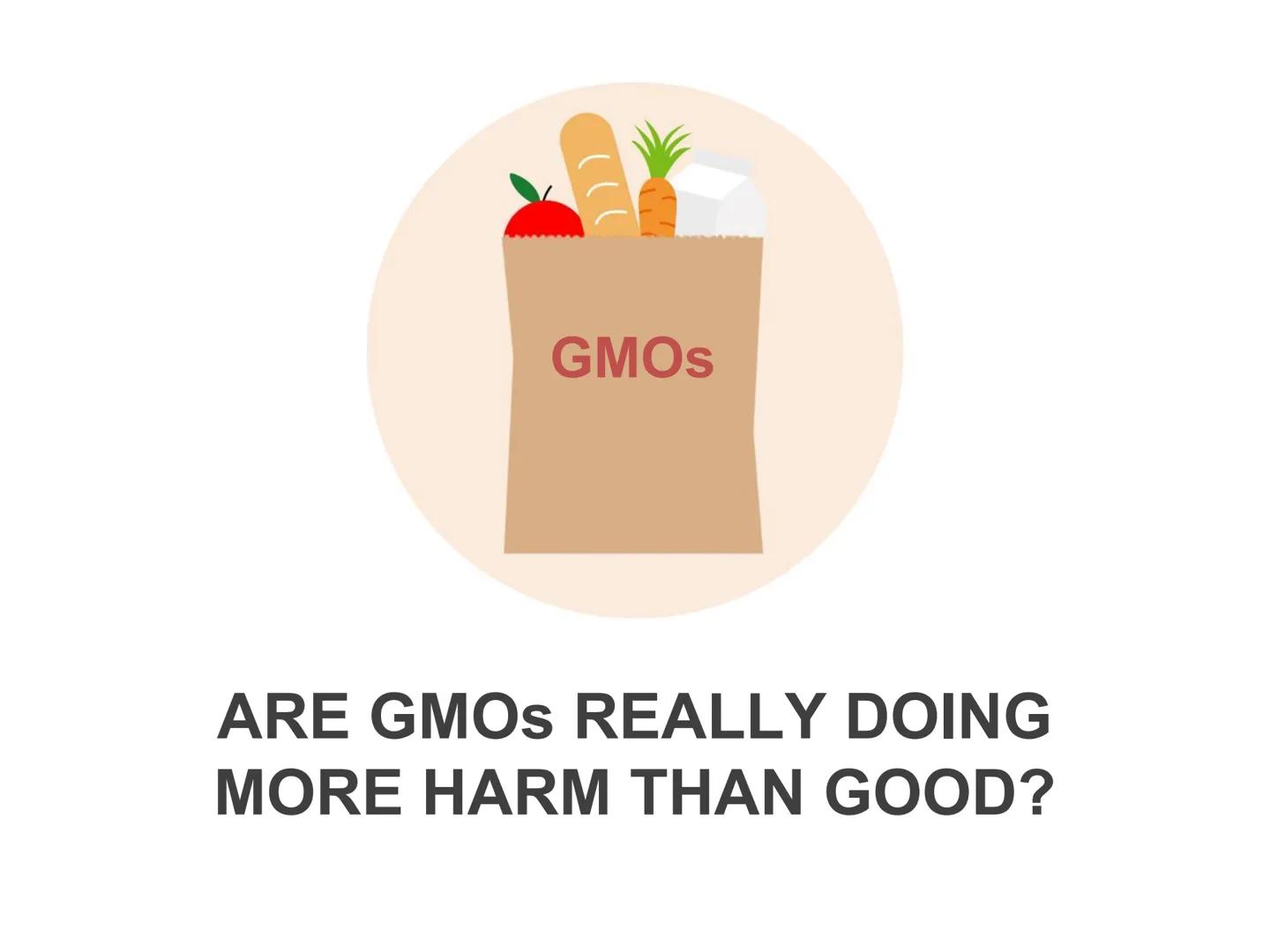
Are GMOs Really Doing More Harm Than Good?
The debate around GMOs touches every aspect of our food system. From the corn in your tortilla chips to the soybeans in your veggie burgers, genetically modified foods are everywhere in our daily lives.
When scientists modify organisms in a lab, they can create crops with amazing abilities like pest resistance or drought tolerance. But these scientific advances have sparked heated discussions about safety, ethics, and environmental impact.
Think About It: Every time you eat a meal, you might be consuming GMOs without even knowing it. How do you feel about that?
2
of 10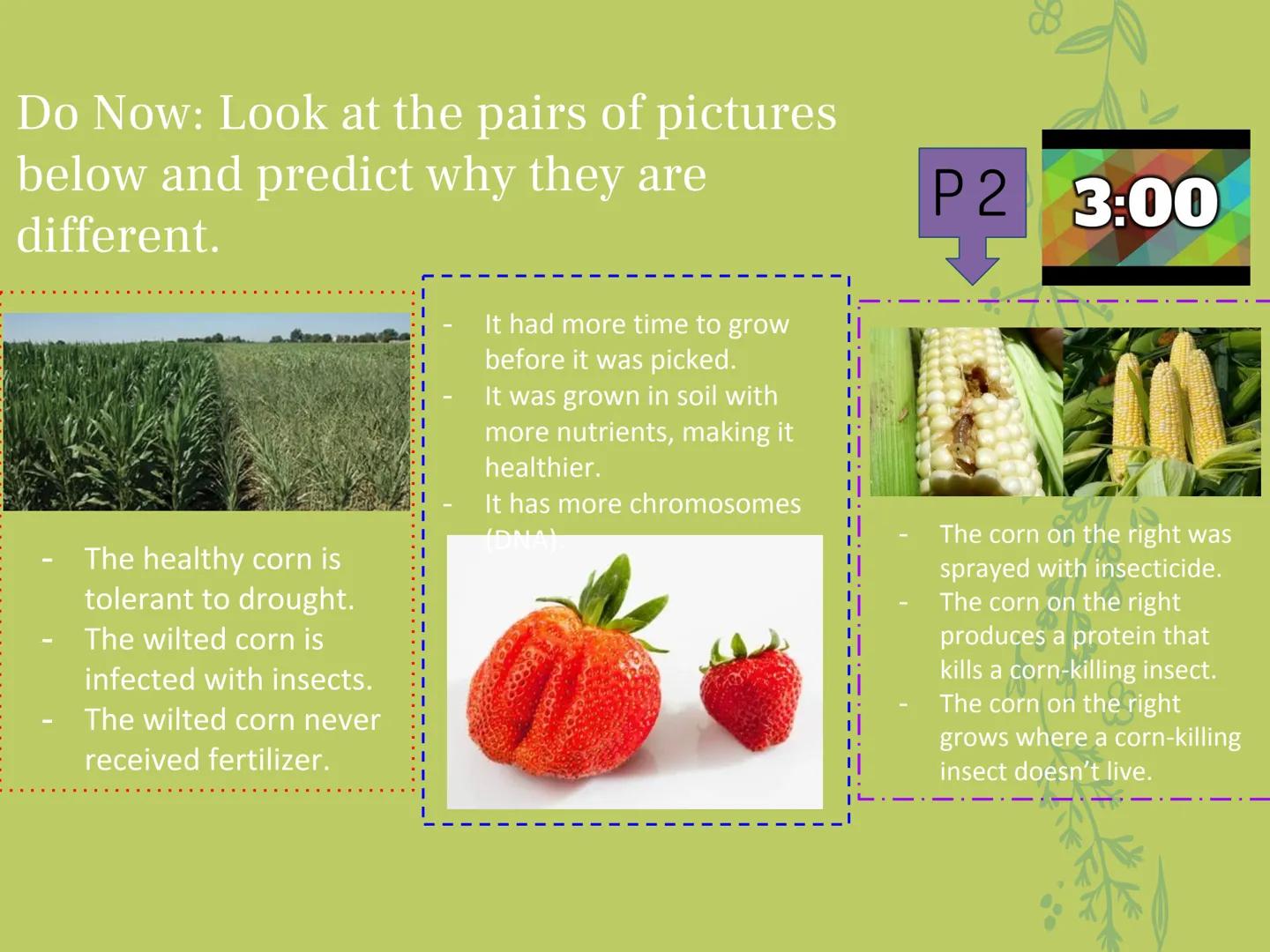
Understanding Plant Differences
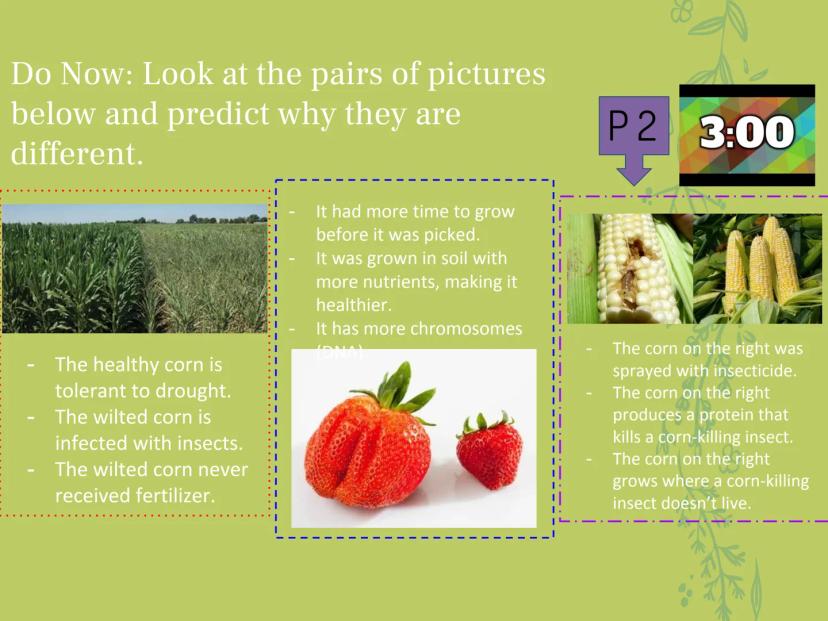
Plants that look similar can have dramatically different abilities to survive challenges. Some corn plants stand tall while others wilt under the same conditions - but why?
These differences might stem from various factors: some plants naturally resist insects, others tolerate drought conditions, and some have been genetically modified to produce protective proteins.
Plants can vary because of their growing conditions, genetic makeup, or human intervention. The healthiest plants often have built-in protection against environmental threats that would damage or kill ordinary varieties.
Science Connection: Just like you might have inherited traits from your parents that help you excel at certain activities, plants inherit traits that help them survive specific challenges.
3
of 10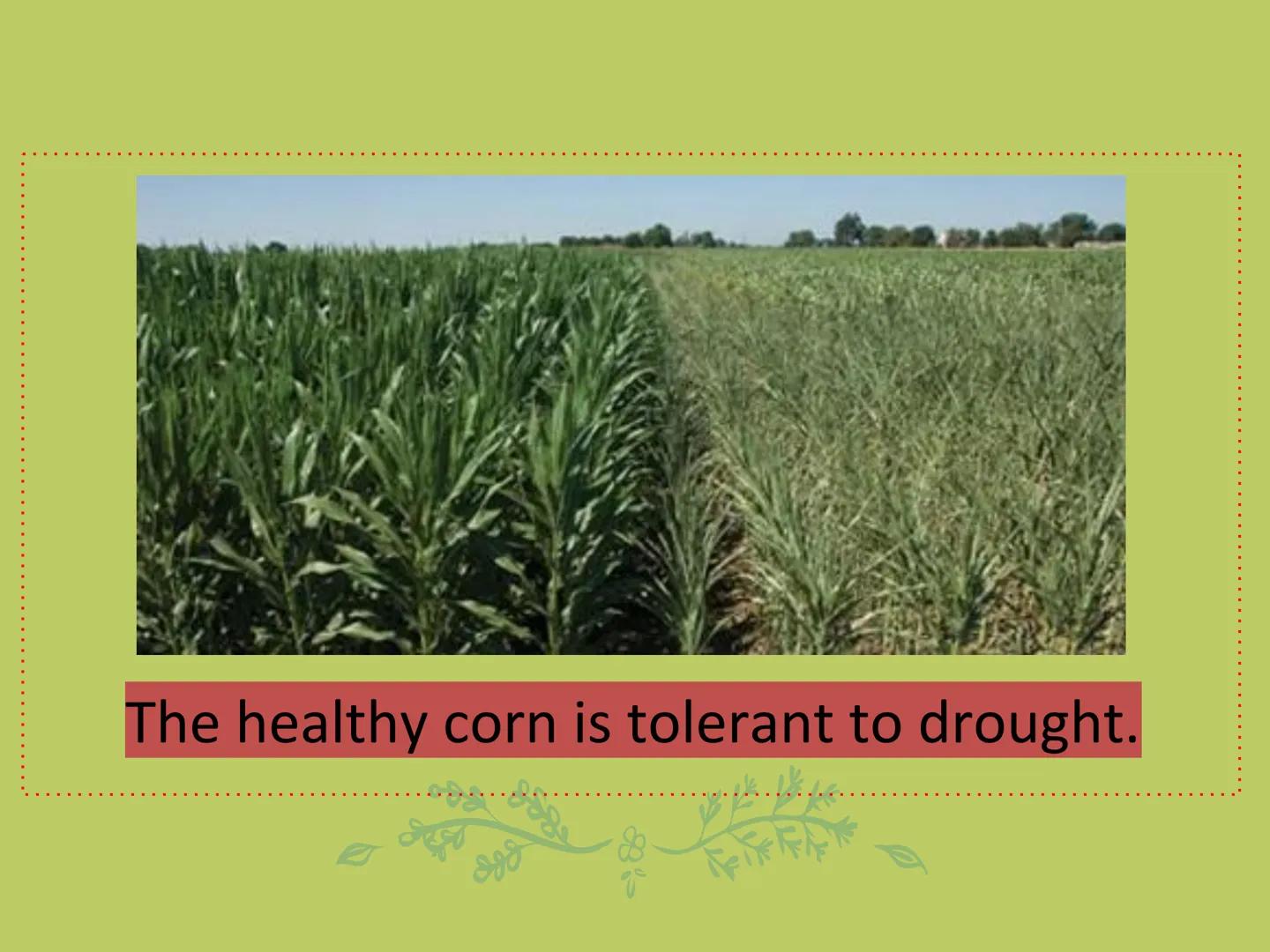
Drought Tolerance: A Valuable Trait
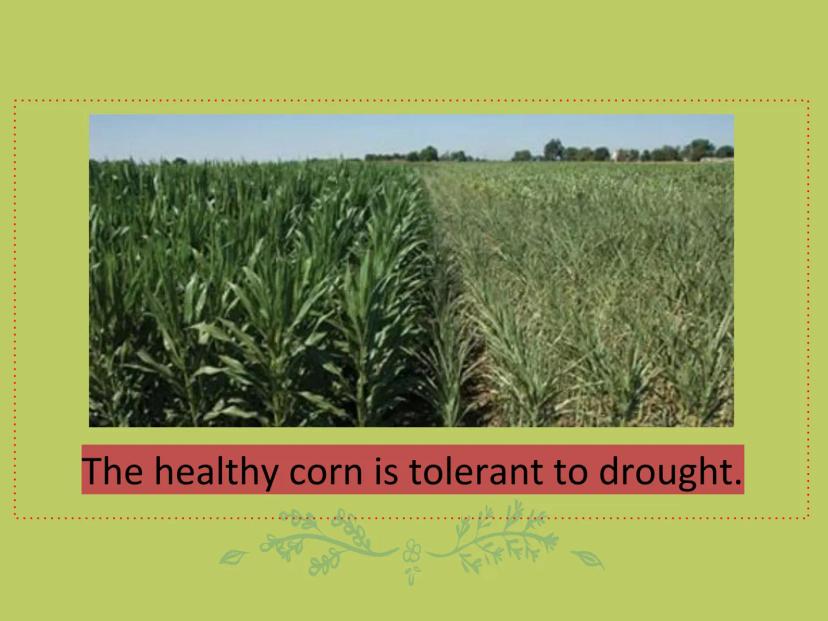
Some corn varieties can thrive even when water is scarce. This drought tolerance is an incredibly valuable trait in a world where climate change is making weather patterns more unpredictable.
Drought-tolerant corn continues growing with less water because its roots might grow deeper, its leaves might curl to reduce water loss, or its cells might maintain function with less moisture. This resilience means farmers can grow successful crops even during dry seasons.
Scientists can enhance drought tolerance either through selective breeding over many generations or through genetic modification that adds specific drought-resistance genes.
Real-World Impact: Drought-tolerant crops can help farmers in areas like the American Midwest or developing countries where rainfall is becoming less reliable.
4
of 10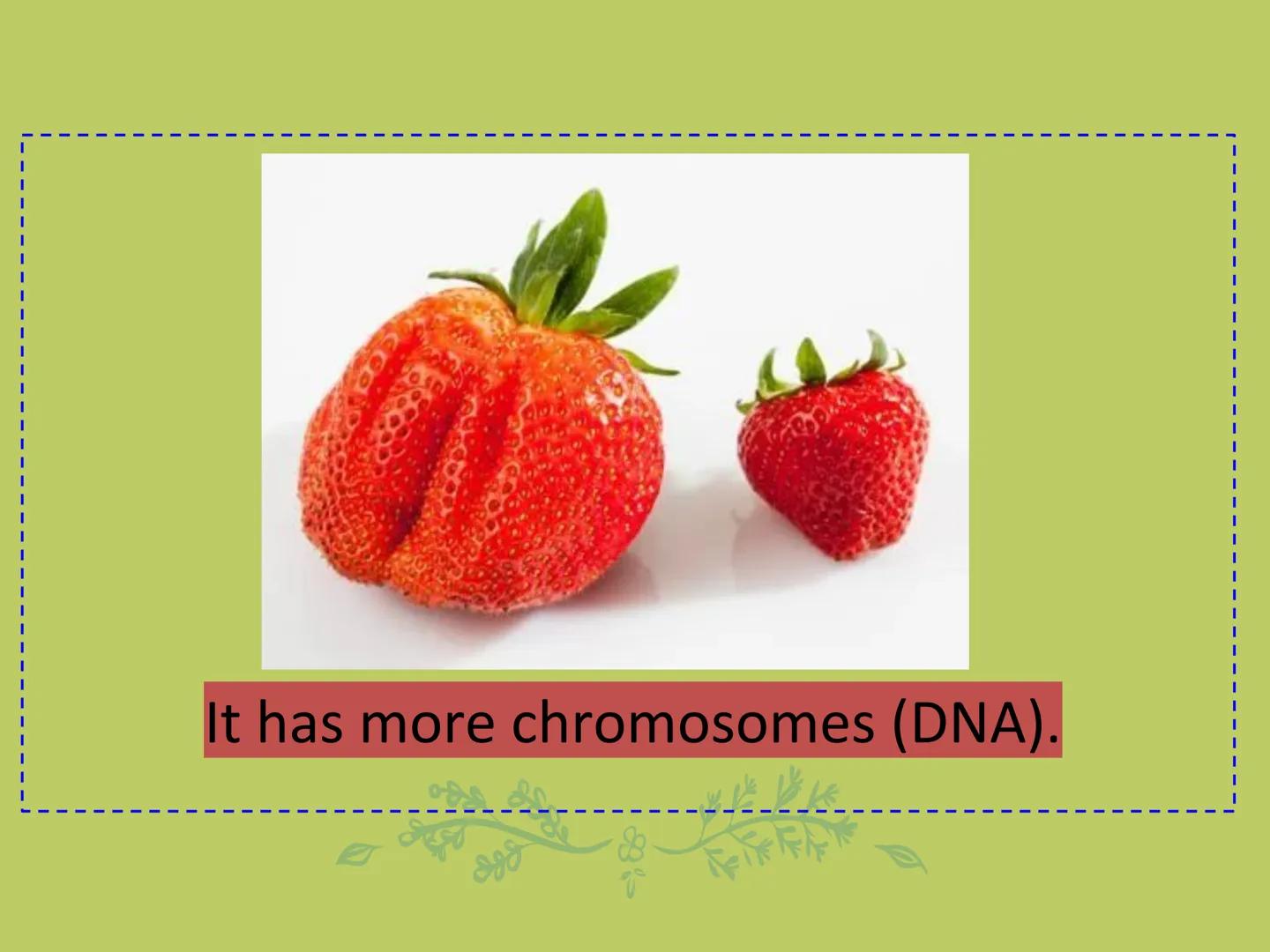
The Role of DNA in Plant Differences
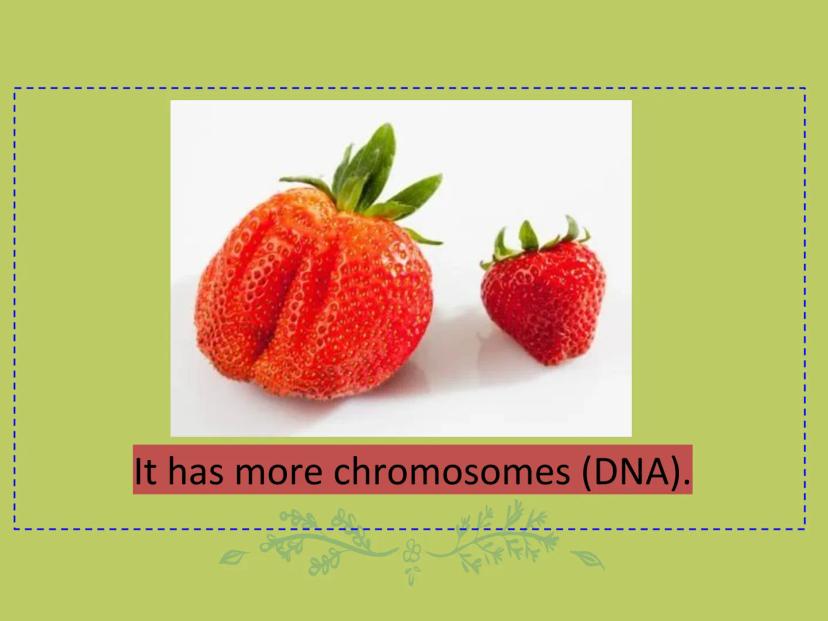
The number of chromosomes in a plant affects its characteristics and abilities. Plants with more chromosomes often have enhanced traits compared to their wild relatives.
Many commercial crops have undergone polyploidy - a process where they end up with extra sets of chromosomes. This genetic abundance can lead to larger fruits, higher yields, or better resistance to environmental stresses.
The relationship between chromosomes and plant traits shows how genetic information directly impacts what we see in the field and eventually at our dinner table.
Fun Fact: While humans have 46 chromosomes, some wheat varieties can have 42 or more chromosomes, which contributes to their ability to produce the perfect bread flour!
5
of 10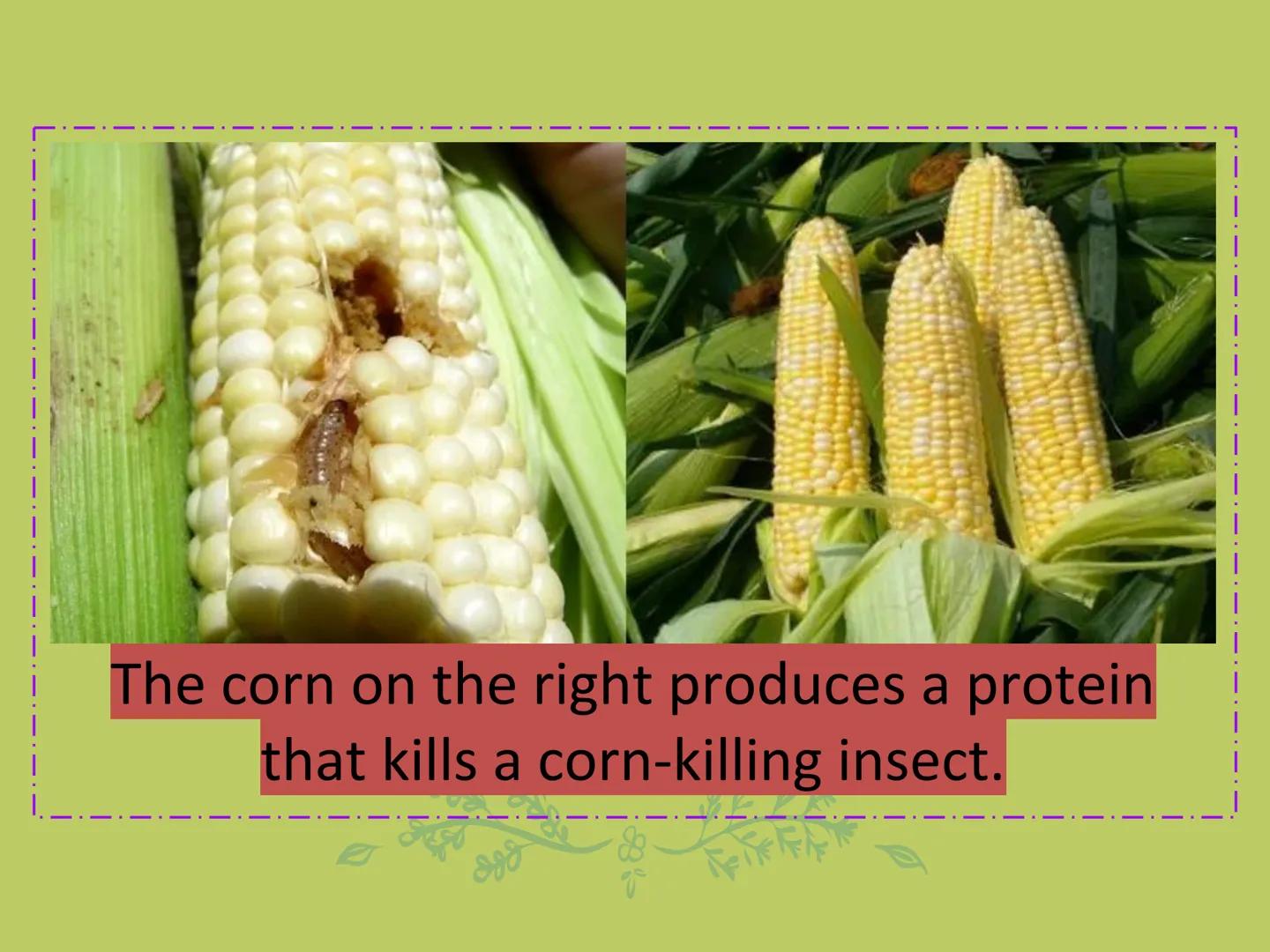
Pest Resistance Through Proteins
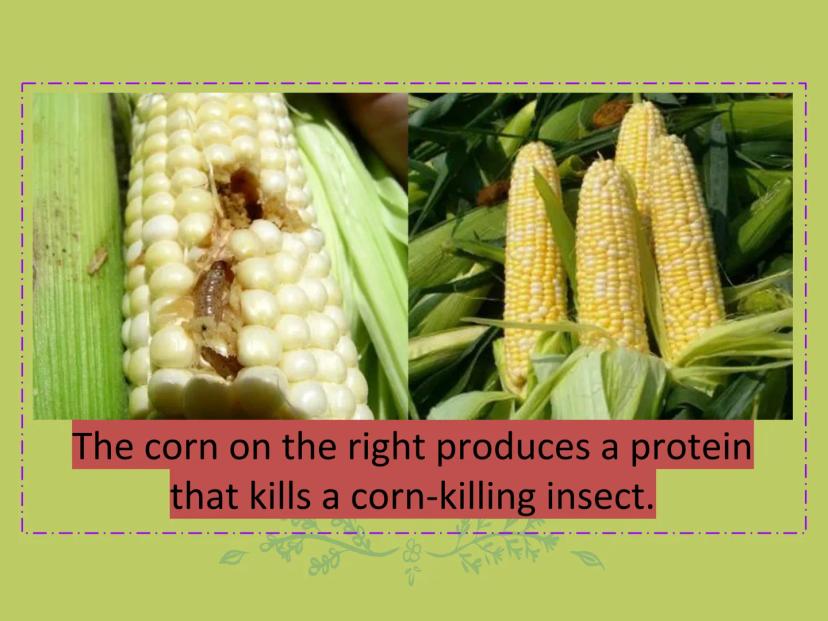
Some corn varieties produce special proteins that protect them from destructive insects. These protective proteins act as a natural insecticide, killing pests that try to eat the plant.
When insects feed on these protein-producing plants, the protein disrupts their digestive system. This built-in protection means farmers can grow healthy crops with fewer chemical pesticide applications.
This pest-resistant trait can be developed through genetic modification, where scientists insert genes (often from bacteria) that code for insect-killing proteins into the corn's DNA.
Think Deeper: Pest-resistant corn reduces the need for sprayed pesticides, but is creating plants that make their own pesticides better or worse for the environment?
6
of 10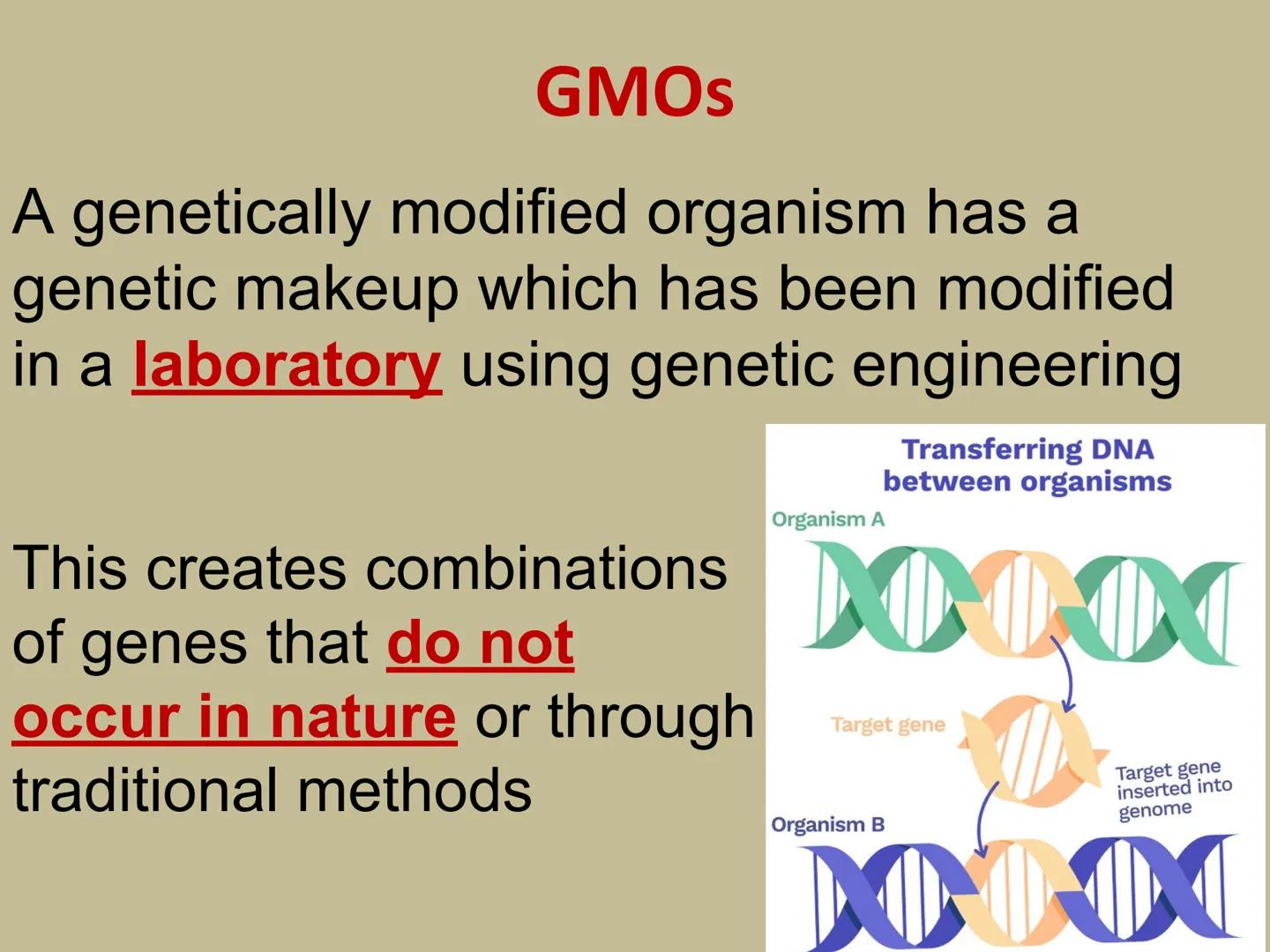
What Are GMOs?
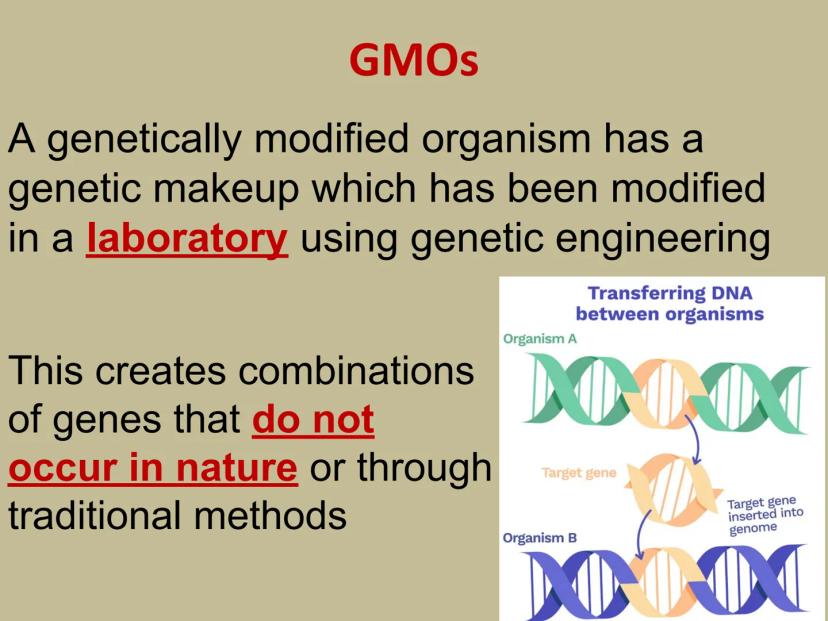
Genetically modified organisms (GMOs) have DNA that has been altered in a laboratory using genetic engineering techniques. Unlike traditional breeding, GMO technology allows scientists to make precise changes to an organism's genetic makeup.
The process involves identifying a useful gene in one organism and transferring that gene into another organism (like corn). This creates combinations of genes that wouldn't occur through natural reproduction.
GMO technology allows scientists to transfer beneficial traits between completely unrelated species - something impossible with traditional breeding methods. The target gene is carefully inserted into the recipient organism's genome, giving it new capabilities.
Simplification: Think of GMO technology like copy-pasting a special feature from one organism's instruction manual into another organism's instruction manual.
7
of 10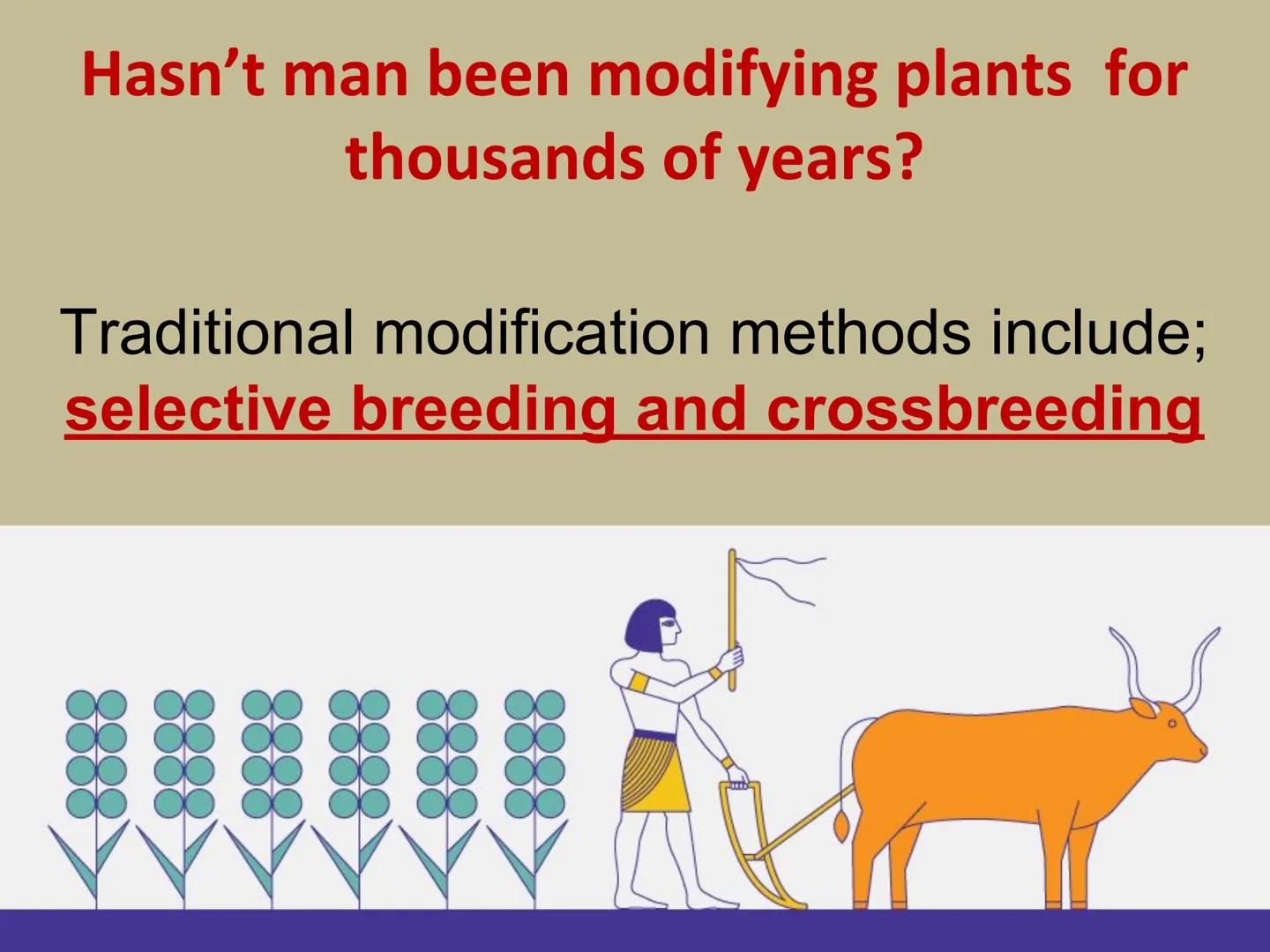
GMOs vs. Traditional Modification
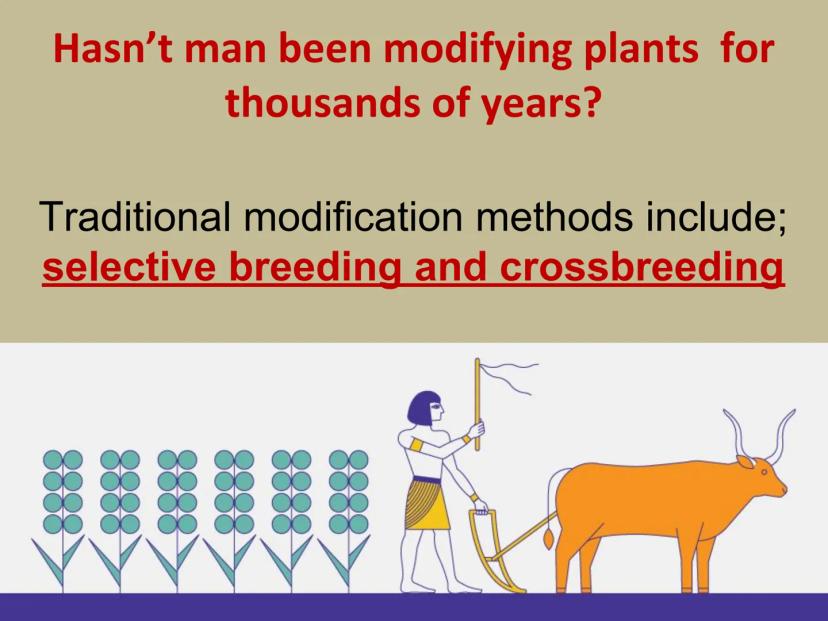
Humans have been changing plant genetics for thousands of years through traditional methods like selective breeding and crossbreeding. These techniques have transformed wild plants into the crops we recognize today.
The key difference is that traditional methods work within natural reproductive boundaries. Farmers and breeders select plants with desirable traits and breed them together, but they can only combine traits from plants that can naturally reproduce with each other.
GMO technology, however, breaks these natural barriers by allowing genes to be transferred between any organisms - even between plants and bacteria or animals.
Historical Perspective: The corn we eat today bears little resemblance to its wild ancestor teosinte, thanks to thousands of years of human selection - all without modern genetic engineering!
8
of 10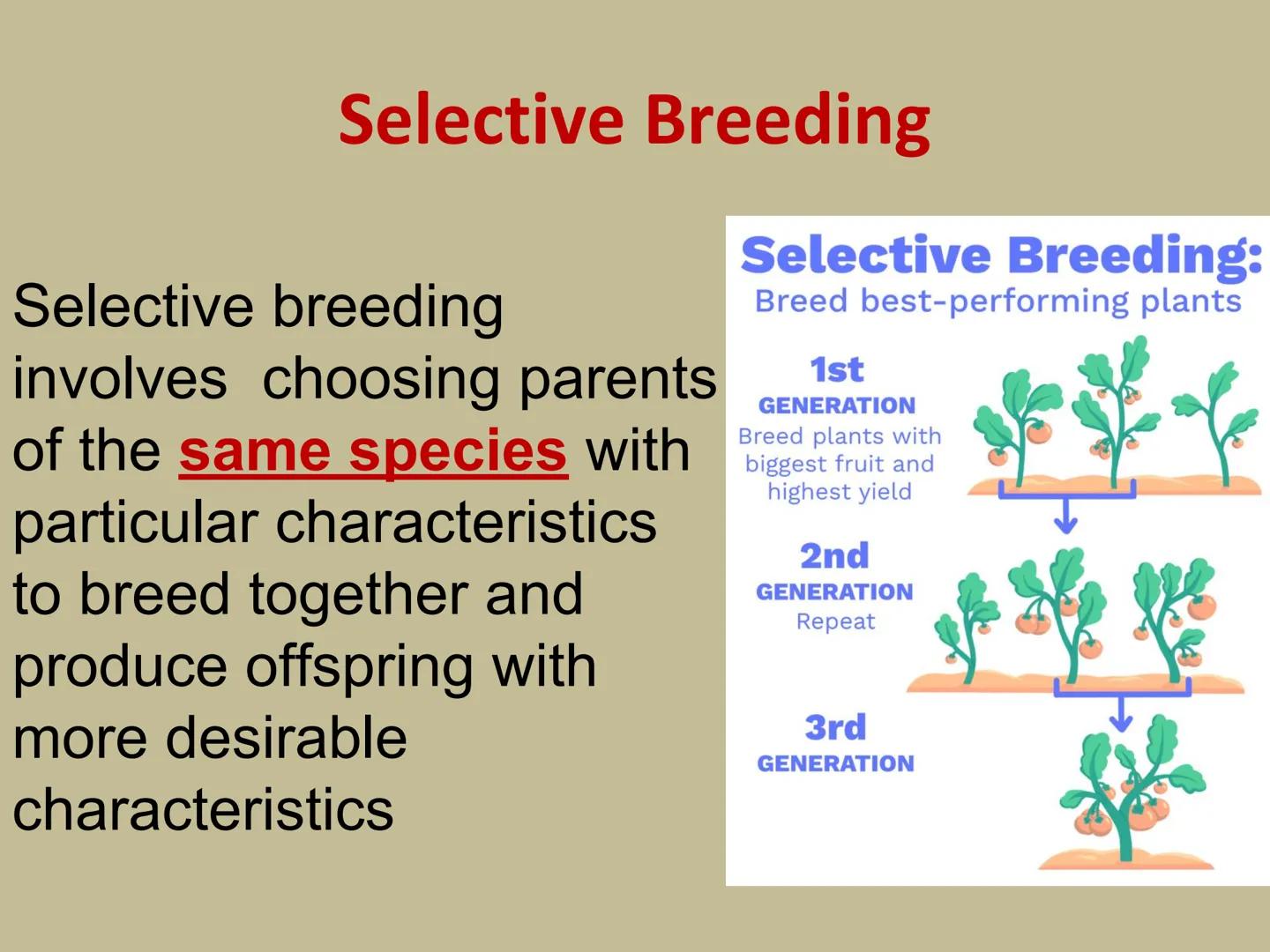
Selective Breeding Explained
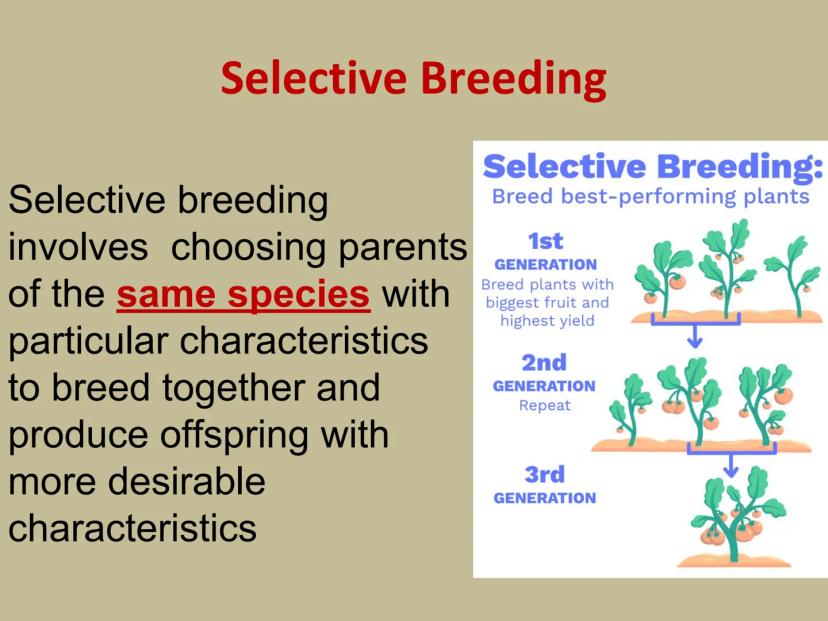
Selective breeding involves choosing parent plants with desirable characteristics and breeding them together to produce offspring with enhanced versions of those traits. Farmers have used this method for thousands of years.
The process works through multiple generations. First, farmers identify and breed the best-performing plants. Then, in each subsequent generation, they select offspring with the most desirable traits (like biggest fruits or highest yields) to breed again.
This continuous selection gradually concentrates beneficial genes in the population. Over many generations, this can transform crops dramatically - making them more productive, tastier, or better adapted to growing conditions.
Real-Life Example: The massive sweet corn we enjoy today was developed from tiny wild corn through centuries of selective breeding for larger kernels and sweeter taste.
9
of 10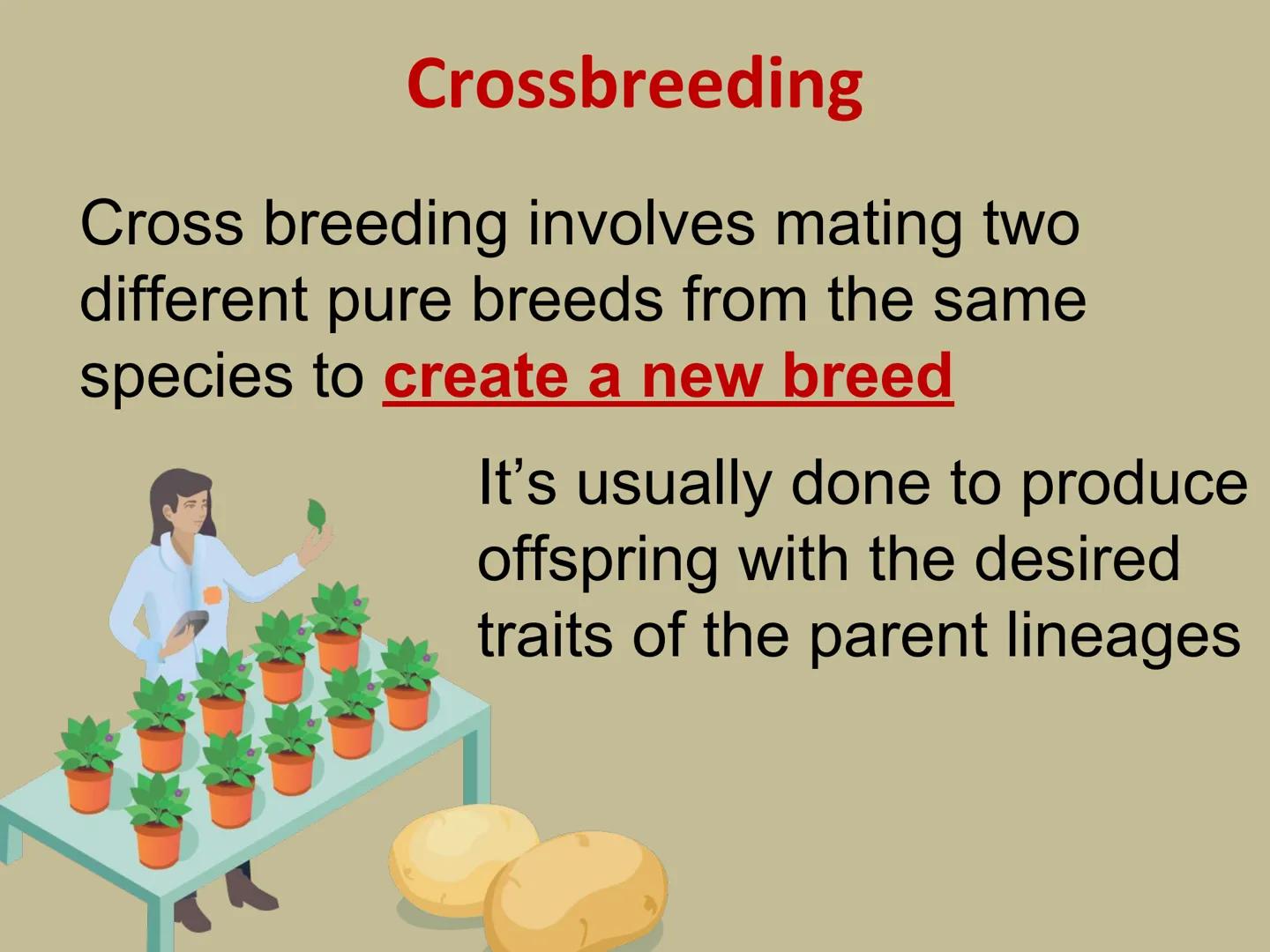
Crossbreeding: Combining the Best Traits
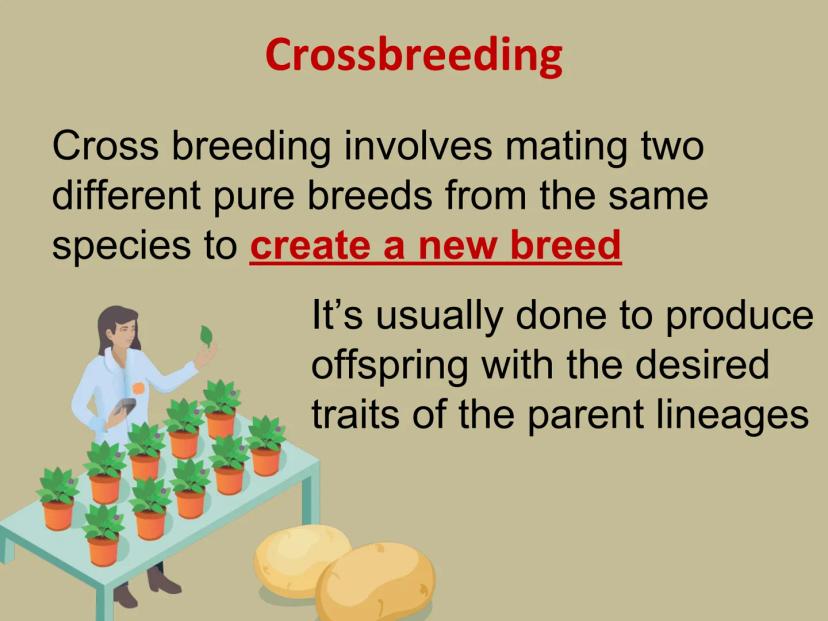
Crossbreeding involves mating two different pure breeds from the same species to create offspring with a combination of their parents' beneficial traits. Think of it as mixing the best characteristics from two different varieties.
Unlike GMOs, crossbreeding only works between plants that can naturally reproduce together. The process allows breeders to combine traits like disease resistance from one variety with high yield from another.
Farmers and scientists have used crossbreeding to develop countless crop varieties that balance productivity, flavor, and resilience to environmental challenges.
Practical Application: Many modern apple varieties are crossbreeds - like the Honeycrisp, which combines the sweetness of one parent variety with the crisp texture of another.
10
of 10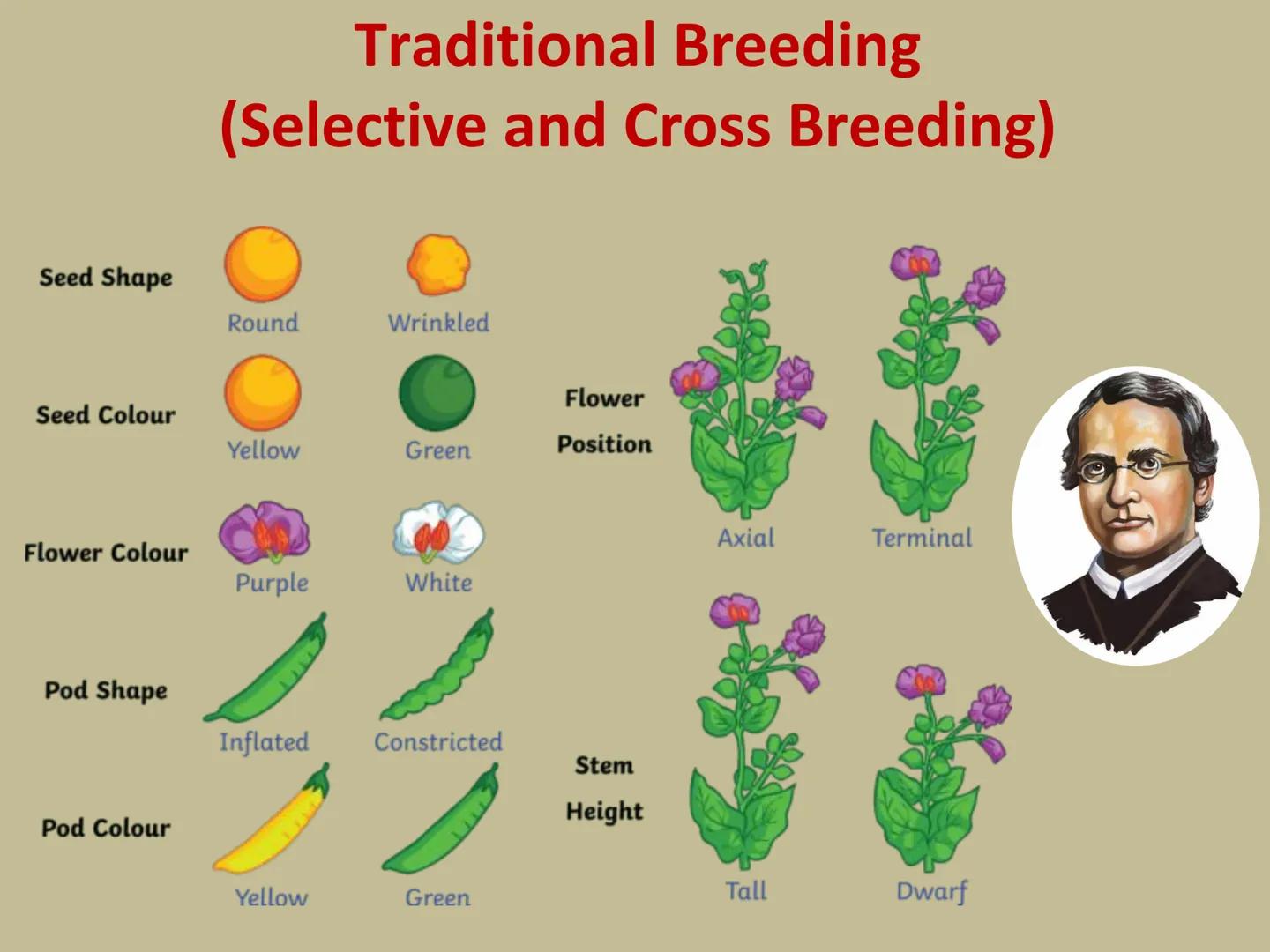
The Power of Traditional Breeding
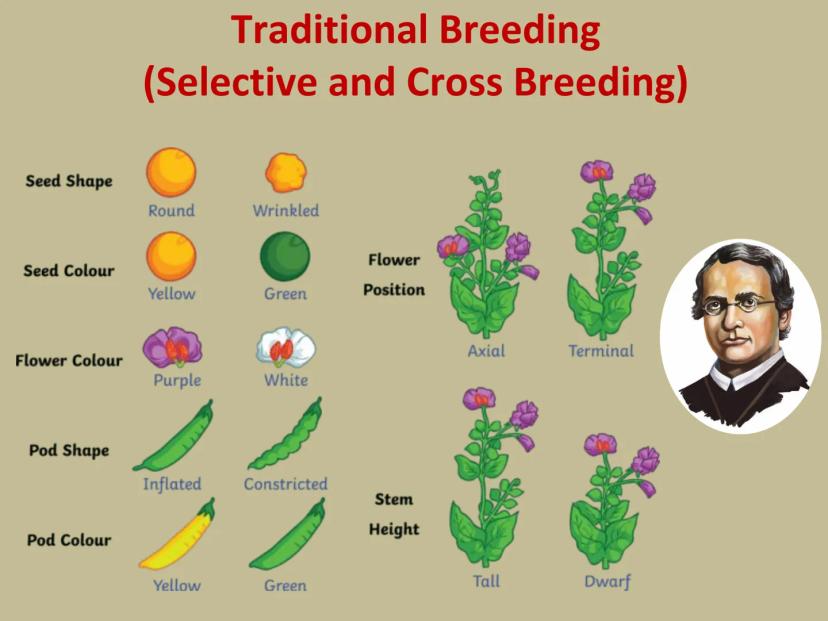
Traditional breeding methods have created an incredible diversity of plant traits over thousands of years. Through selective and cross breeding, humans have developed plants with variations in seed shape, color, flower position, pod characteristics, and growth habits.
These methods work by reshuffling the genetic variations that naturally exist within a species. For example, breeders might select peas with yellow seeds instead of green, or tall stems instead of dwarf ones.
The visible traits we select for (like round vs. wrinkled seeds) are expressions of the plant's underlying genetics. By controlling which plants reproduce, breeders gradually enhance desired traits in the population.
Big Picture: Traditional breeding has transformed wild plants into the foods we rely on today - all without modern laboratory techniques. These methods continue to be important even in the age of genetic engineering.
We thought you’d never ask...
What is the Knowunity AI companion?
Our AI companion is specifically built for the needs of students. Based on the millions of content pieces we have on the platform we can provide truly meaningful and relevant answers to students. But its not only about answers, the companion is even more about guiding students through their daily learning challenges, with personalised study plans, quizzes or content pieces in the chat and 100% personalisation based on the students skills and developments.
Where can I download the Knowunity app?
You can download the app in the Google Play Store and in the Apple App Store.
Is Knowunity really free of charge?
That's right! Enjoy free access to study content, connect with fellow students, and get instant help – all at your fingertips.
Similar Content
Most popular content in Biology
9Most popular content
9Can't find what you're looking for? Explore other subjects.
Students love us — and so will you.
4.6/5App Store
4.7/5Google Play
The app is very easy to use and well designed. I have found everything I was looking for so far and have been able to learn a lot from the presentations! I will definitely use the app for a class assignment! And of course it also helps a lot as an inspiration.
Stefan SiOS user
This app is really great. There are so many study notes and help [...]. My problem subject is French, for example, and the app has so many options for help. Thanks to this app, I have improved my French. I would recommend it to anyone.
Samantha KlichAndroid user
Wow, I am really amazed. I just tried the app because I've seen it advertised many times and was absolutely stunned. This app is THE HELP you want for school and above all, it offers so many things, such as workouts and fact sheets, which have been VERY helpful to me personally.
AnnaiOS user
Biology30 views·Updated May 29, 2026·19 pagesUnderstanding GMO: Introductory Notes 2023 PDF
C@cnnotes
Ever wondered how we get corn that doesn't wilt in drought or fruits that stay fresh longer? GMOs (Genetically Modified Organisms) are at the center of this agricultural revolution, but they're also surrounded by controversy. Let's explore what GMOs really... Show more
1
of 10Sign up to see the content. It's free!
- Access to all documents
- Improve your grades
- Join milions of students
Are GMOs Really Doing More Harm Than Good?
The debate around GMOs touches every aspect of our food system. From the corn in your tortilla chips to the soybeans in your veggie burgers, genetically modified foods are everywhere in our daily lives.
When scientists modify organisms in a lab, they can create crops with amazing abilities like pest resistance or drought tolerance. But these scientific advances have sparked heated discussions about safety, ethics, and environmental impact.
Think About It: Every time you eat a meal, you might be consuming GMOs without even knowing it. How do you feel about that?
2
of 10Sign up to see the content. It's free!
- Access to all documents
- Improve your grades
- Join milions of students
Understanding Plant Differences
Plants that look similar can have dramatically different abilities to survive challenges. Some corn plants stand tall while others wilt under the same conditions - but why?
These differences might stem from various factors: some plants naturally resist insects, others tolerate drought conditions, and some have been genetically modified to produce protective proteins.
Plants can vary because of their growing conditions, genetic makeup, or human intervention. The healthiest plants often have built-in protection against environmental threats that would damage or kill ordinary varieties.
Science Connection: Just like you might have inherited traits from your parents that help you excel at certain activities, plants inherit traits that help them survive specific challenges.
3
of 10Sign up to see the content. It's free!
- Access to all documents
- Improve your grades
- Join milions of students
Drought Tolerance: A Valuable Trait
Some corn varieties can thrive even when water is scarce. This drought tolerance is an incredibly valuable trait in a world where climate change is making weather patterns more unpredictable.
Drought-tolerant corn continues growing with less water because its roots might grow deeper, its leaves might curl to reduce water loss, or its cells might maintain function with less moisture. This resilience means farmers can grow successful crops even during dry seasons.
Scientists can enhance drought tolerance either through selective breeding over many generations or through genetic modification that adds specific drought-resistance genes.
Real-World Impact: Drought-tolerant crops can help farmers in areas like the American Midwest or developing countries where rainfall is becoming less reliable.
4
of 10Sign up to see the content. It's free!
- Access to all documents
- Improve your grades
- Join milions of students
The Role of DNA in Plant Differences
The number of chromosomes in a plant affects its characteristics and abilities. Plants with more chromosomes often have enhanced traits compared to their wild relatives.
Many commercial crops have undergone polyploidy - a process where they end up with extra sets of chromosomes. This genetic abundance can lead to larger fruits, higher yields, or better resistance to environmental stresses.
The relationship between chromosomes and plant traits shows how genetic information directly impacts what we see in the field and eventually at our dinner table.
Fun Fact: While humans have 46 chromosomes, some wheat varieties can have 42 or more chromosomes, which contributes to their ability to produce the perfect bread flour!
5
of 10Sign up to see the content. It's free!
- Access to all documents
- Improve your grades
- Join milions of students
Pest Resistance Through Proteins
Some corn varieties produce special proteins that protect them from destructive insects. These protective proteins act as a natural insecticide, killing pests that try to eat the plant.
When insects feed on these protein-producing plants, the protein disrupts their digestive system. This built-in protection means farmers can grow healthy crops with fewer chemical pesticide applications.
This pest-resistant trait can be developed through genetic modification, where scientists insert genes (often from bacteria) that code for insect-killing proteins into the corn's DNA.
Think Deeper: Pest-resistant corn reduces the need for sprayed pesticides, but is creating plants that make their own pesticides better or worse for the environment?
6
of 10Sign up to see the content. It's free!
- Access to all documents
- Improve your grades
- Join milions of students
What Are GMOs?
Genetically modified organisms (GMOs) have DNA that has been altered in a laboratory using genetic engineering techniques. Unlike traditional breeding, GMO technology allows scientists to make precise changes to an organism's genetic makeup.
The process involves identifying a useful gene in one organism and transferring that gene into another organism (like corn). This creates combinations of genes that wouldn't occur through natural reproduction.
GMO technology allows scientists to transfer beneficial traits between completely unrelated species - something impossible with traditional breeding methods. The target gene is carefully inserted into the recipient organism's genome, giving it new capabilities.
Simplification: Think of GMO technology like copy-pasting a special feature from one organism's instruction manual into another organism's instruction manual.
7
of 10Sign up to see the content. It's free!
- Access to all documents
- Improve your grades
- Join milions of students
GMOs vs. Traditional Modification
Humans have been changing plant genetics for thousands of years through traditional methods like selective breeding and crossbreeding. These techniques have transformed wild plants into the crops we recognize today.
The key difference is that traditional methods work within natural reproductive boundaries. Farmers and breeders select plants with desirable traits and breed them together, but they can only combine traits from plants that can naturally reproduce with each other.
GMO technology, however, breaks these natural barriers by allowing genes to be transferred between any organisms - even between plants and bacteria or animals.
Historical Perspective: The corn we eat today bears little resemblance to its wild ancestor teosinte, thanks to thousands of years of human selection - all without modern genetic engineering!
8
of 10Sign up to see the content. It's free!
- Access to all documents
- Improve your grades
- Join milions of students
Selective Breeding Explained
Selective breeding involves choosing parent plants with desirable characteristics and breeding them together to produce offspring with enhanced versions of those traits. Farmers have used this method for thousands of years.
The process works through multiple generations. First, farmers identify and breed the best-performing plants. Then, in each subsequent generation, they select offspring with the most desirable traits (like biggest fruits or highest yields) to breed again.
This continuous selection gradually concentrates beneficial genes in the population. Over many generations, this can transform crops dramatically - making them more productive, tastier, or better adapted to growing conditions.
Real-Life Example: The massive sweet corn we enjoy today was developed from tiny wild corn through centuries of selective breeding for larger kernels and sweeter taste.
9
of 10Sign up to see the content. It's free!
- Access to all documents
- Improve your grades
- Join milions of students
Crossbreeding: Combining the Best Traits
Crossbreeding involves mating two different pure breeds from the same species to create offspring with a combination of their parents' beneficial traits. Think of it as mixing the best characteristics from two different varieties.
Unlike GMOs, crossbreeding only works between plants that can naturally reproduce together. The process allows breeders to combine traits like disease resistance from one variety with high yield from another.
Farmers and scientists have used crossbreeding to develop countless crop varieties that balance productivity, flavor, and resilience to environmental challenges.
Practical Application: Many modern apple varieties are crossbreeds - like the Honeycrisp, which combines the sweetness of one parent variety with the crisp texture of another.
10
of 10Sign up to see the content. It's free!
- Access to all documents
- Improve your grades
- Join milions of students
The Power of Traditional Breeding
Traditional breeding methods have created an incredible diversity of plant traits over thousands of years. Through selective and cross breeding, humans have developed plants with variations in seed shape, color, flower position, pod characteristics, and growth habits.
These methods work by reshuffling the genetic variations that naturally exist within a species. For example, breeders might select peas with yellow seeds instead of green, or tall stems instead of dwarf ones.
The visible traits we select for (like round vs. wrinkled seeds) are expressions of the plant's underlying genetics. By controlling which plants reproduce, breeders gradually enhance desired traits in the population.
Big Picture: Traditional breeding has transformed wild plants into the foods we rely on today - all without modern laboratory techniques. These methods continue to be important even in the age of genetic engineering.
We thought you’d never ask...
What is the Knowunity AI companion?
Our AI companion is specifically built for the needs of students. Based on the millions of content pieces we have on the platform we can provide truly meaningful and relevant answers to students. But its not only about answers, the companion is even more about guiding students through their daily learning challenges, with personalised study plans, quizzes or content pieces in the chat and 100% personalisation based on the students skills and developments.
Where can I download the Knowunity app?
You can download the app in the Google Play Store and in the Apple App Store.
Is Knowunity really free of charge?
That's right! Enjoy free access to study content, connect with fellow students, and get instant help – all at your fingertips.
Similar Content
Most popular content in Biology
9Most popular content
9Can't find what you're looking for? Explore other subjects.
Students love us — and so will you.
4.6/5App Store
4.7/5Google Play
The app is very easy to use and well designed. I have found everything I was looking for so far and have been able to learn a lot from the presentations! I will definitely use the app for a class assignment! And of course it also helps a lot as an inspiration.
Stefan SiOS user
This app is really great. There are so many study notes and help [...]. My problem subject is French, for example, and the app has so many options for help. Thanks to this app, I have improved my French. I would recommend it to anyone.
Samantha KlichAndroid user
Wow, I am really amazed. I just tried the app because I've seen it advertised many times and was absolutely stunned. This app is THE HELP you want for school and above all, it offers so many things, such as workouts and fact sheets, which have been VERY helpful to me personally.
AnnaiOS user